Why we started Vetra
The town that wrote it down
In 1948, researchers began following 5,209 adults in Framingham, a small town outside Boston. Every two years the same people came back. Blood pressure, cholesterol, weight, whether they smoked. Nobody knew exactly what they were looking for.
It took years before the data started to talk. When it did, it changed medicine. Framingham helped make the risk factor part of everyday care: the idea that numbers in your body today can tell you what is coming years from now. Blood pressure and stroke. Cholesterol and heart disease. Problems we now treat before they hurt anyone.
Framingham didn't need a new drug or a new machine. It worked because someone wrote the story down, visit after visit, and then read it back.
Almost eighty years later, the animals we share our homes with still don't have that.
Our story
Every vet visit produces a record. A dog comes in tired. Bloodwork gets drawn. A drug gets started. Three weeks later the owner calls about something new. All of it gets written down, and almost none of it is ever read again.
The notes live as free text inside practice software. The phone calls aren't logged at all. Lab results get read once, filed, and forgotten. Look across ten visits and the patient disappears. Look across ten thousand dogs and there is no population to see.
So a lot of veterinary medicine still runs on experience and instinct, and on drugs built for people and scaled down. That isn't the fault of vets. They are some of the most stretched clinicians anywhere. Nobody ever built the system that reads the story back to them.
The dog we lost
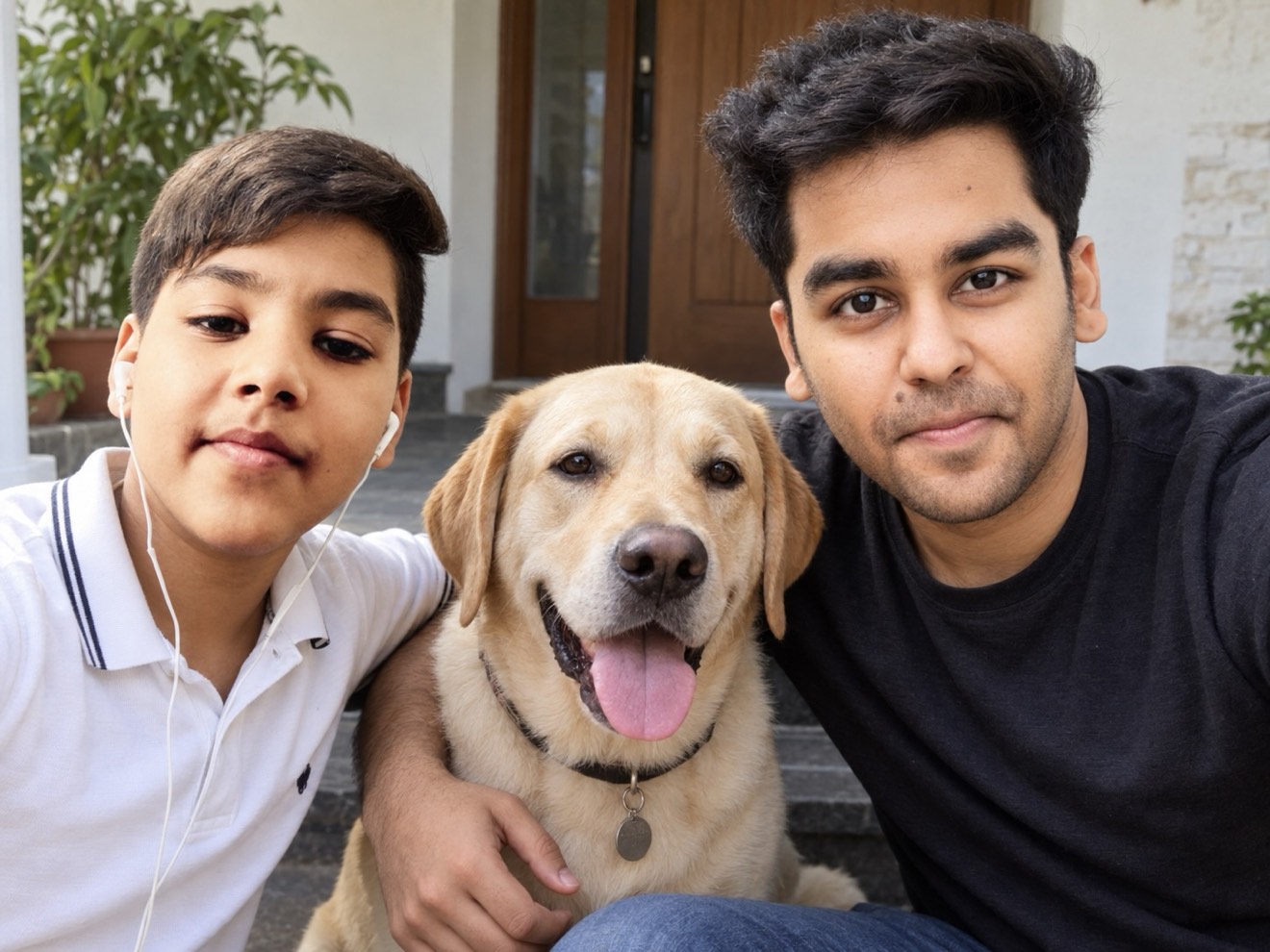
My brother Laksh and I grew up with Pepsi. He wasn't the family dog. He was family.
When he got sick, we did what every pet parent does. We looked for a vet, then a better one, then a specialist. We believed good care came down to finding the right person.
We lost him years too early. For a long time we told ourselves we just never found the right vet. I now think that was only part of the truth.
Thirty years in free text
I spent two years at the University of Illinois College of Veterinary Medicine, building AI tools for clinicians and shadowing in the teaching hospital, and published a paper on that work in IEEE Access. Two things were obvious within weeks.
The first was how much time good vets lose to plumbing. Calling back about labs. Chasing records from another clinic. Retyping a history that already exists somewhere. Answering the phone. A clinic runs on a hundred small handoffs, and every one of them leaks time.
The second was that the medicine was already in the records, and nobody could get to it. One professor had thirty years of patient data. Thirty years of dogs, treatments and outcomes, almost all of it in free text. The research pointed to biomarkers, signals in routine blood work that show disease coming long before symptoms do. The raw material to find them was sitting in that archive, and nobody could read it at scale.
That was when I understood what probably happened to Pepsi. It wasn't only a question of which vet we saw. His warning signs were likely in his own bloodwork, spread across visits nobody ever looked at together.
| Visit | SDMA (µg/dL) | Flagged? | |
|---|---|---|---|
| Year 1 | 8 | No | |
| Year 2 | 10 | No | |
| Year 3 | 12 | No | |
| Year 4 | 13 | No |
Illustrative only. Each value looks fine on its own day. Read together, they point one way.
Why we started with the plumbing
You can't walk into a busy clinic and ask for its data in the name of science. They have a waiting room to clear. So we started with what hurts.
We went to conferences, sat with practice managers, and rode along with mobile vets. We kept asking the same question: what costs you the most? The answer was almost always the back office. It is worst for mobile vets, who run a whole practice out of a van with no front desk behind them. Some were printing out ChatGPT answers, because nothing better existed.
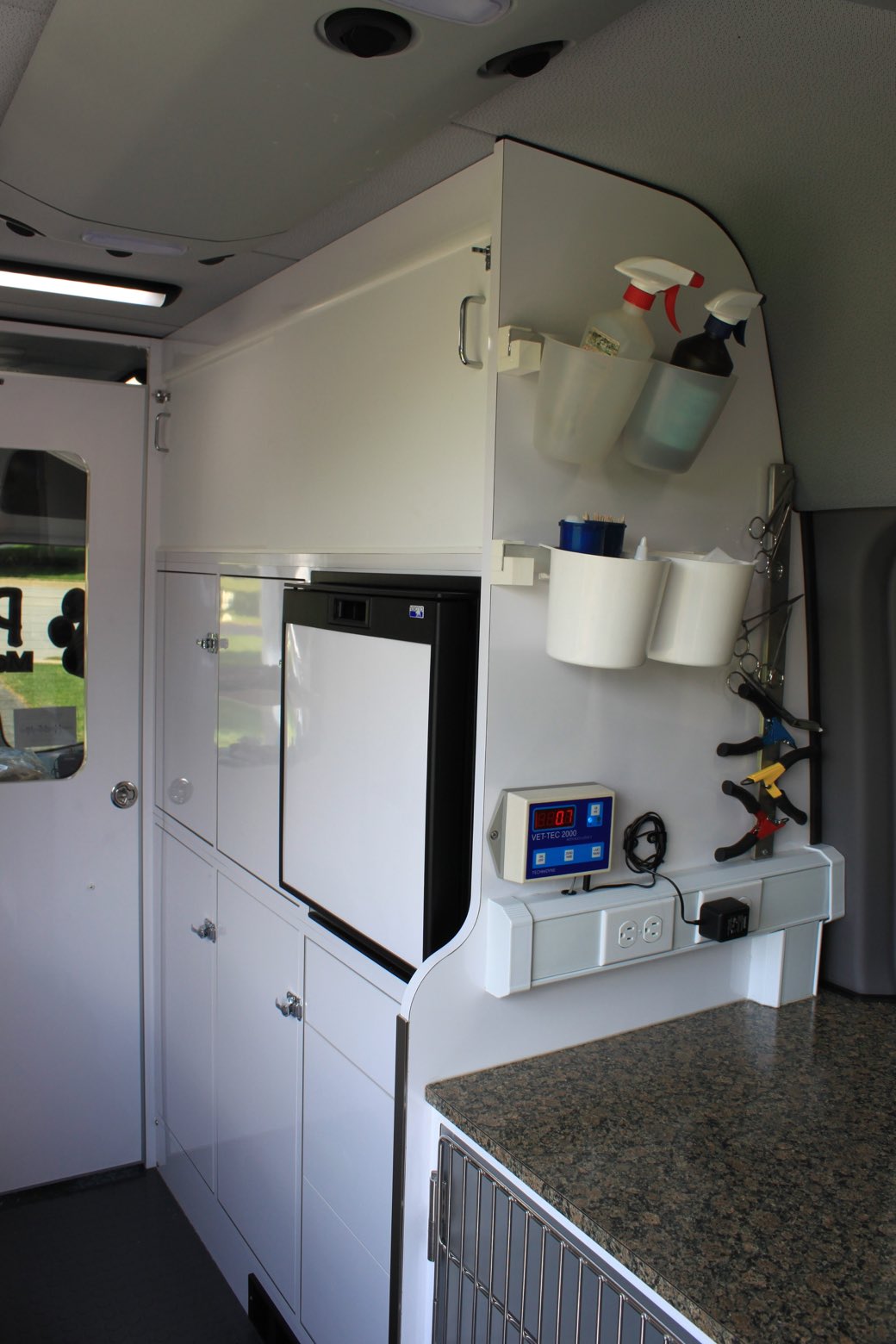
So Vetra does the back office. Our agents answer every call, triage it, book it on the clinic's real calendar, handle refills and follow-ups, and write each case back into the software the clinic already uses. Nothing gets ripped out or replaced.
The part that matters most for the rest of this story is a side effect. Every task we take off a clinic's plate leaves behind a clean, structured entry in that patient's history. The vet gets their evening back. The record writes itself.
Companies that ask for data get old archives. Companies that do the work get the record as it happens.
Why dogs
Dogs may be the best population on earth for learning how disease starts. They age much faster than we do, so illnesses that take decades to unfold in people unfold in a few years. They develop cancer, kidney disease and heart disease on their own. They breathe our air and live in our homes. And breeds give us natural groups with shared genetics.
Researchers know this. In 2012, the Morris Animal Foundation began following more than 3,000 golden retrievers for the rest of their lives, one enrolled dog at a time. It is one of the largest studies of its kind in veterinary medicine, and every one of those dogs had to be recruited by hand.
We think the same kind of record can grow as a side effect of running clinics, across every breed, in every town, without asking anyone to do extra work.
From records to biology
Records tell you what happened. Biology tells you why. So the next layer is a lab.
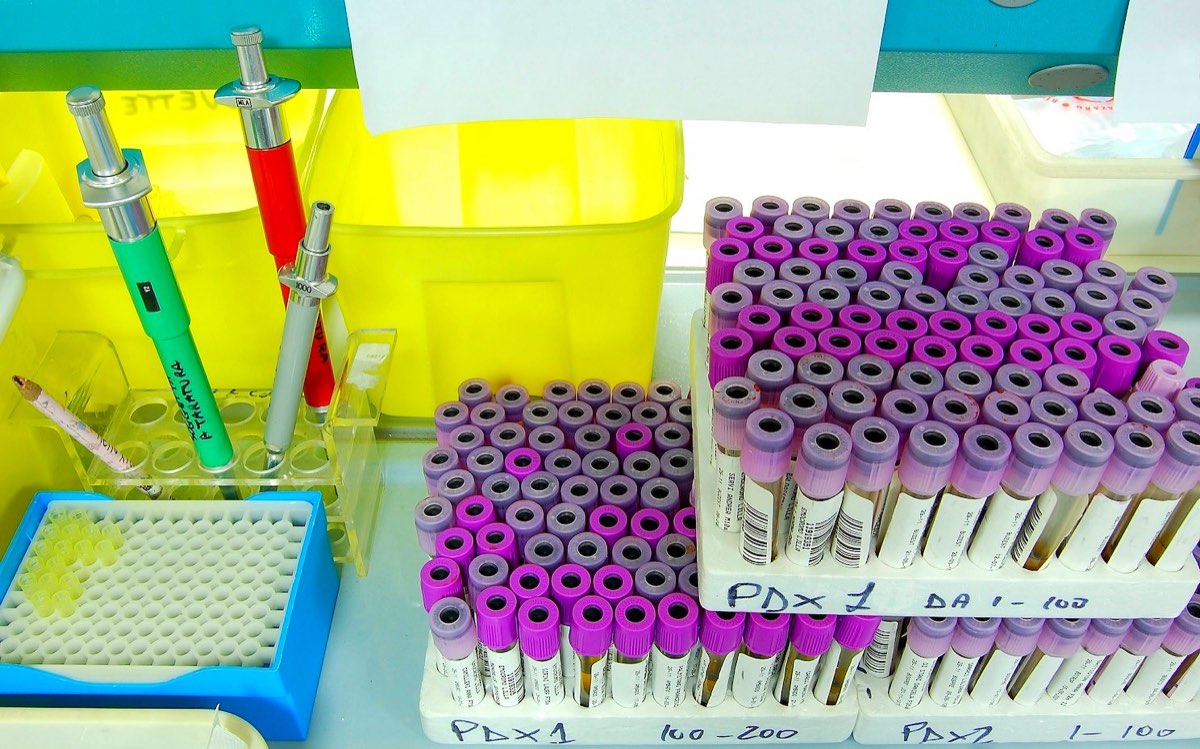
We are building it as a hub and spokes. The hub is a central lab, following the path that precision cancer labs for pets have already shown can work. The spokes are the mobile vets and clinics already running on Vetra, sending samples in.
Every sample arrives attached to a full history. A result is never just a number. It's a point on a timeline, sitting next to every symptom, dose and outcome that came before and after it. And because the record can see which patients are drifting, it can tell the lab which samples are worth keeping, with the owner's consent, before the disease shows itself.
A world where pets get their own medicine
We see this happening in three phases, each one paying for the next.
Phase I · Now
The clinic gets its time back
Calls, triage, records, refills and follow-ups are handled. Clinics that could never afford a full front desk get one. Every patient gets a structured history that grows with each visit.
Phase II · Next
The record starts to read itself
With enough patients followed over time, patterns surface. Bloodwork that drifts a year before kidney failure. A drug that causes trouble at a certain dose in a certain breed. Vets see warnings on the patient in front of them. Researchers and drug makers find the right patients for their studies. Clinics share in what their data earns.
Phase III · Later
Care before the crisis
Pet parents test at home, and the result is read against their pet's entire history instead of a single reference range. Validated biomarkers become everyday screening. Drugs are developed and dosed for animals, not borrowed from people. Insurers price real risk. And because dogs share so many of our diseases, what we learn flows back to human medicine too.
Framingham followed one town. We want to follow every pet, as part of the care they already get.
Come build it
If you run a clinic, let us take the back office so you can practice medicine. If you study animal disease, we want to hear what questions you could answer with a record like this. If you develop drugs or diagnostics for animals, we would like to build it with you. And if you are an engineer or scientist who wants to work on something that matters to every family with a pet, write to us.
We started out believing pet care meant finding the right vet. We now believe it means reading the story before it ends. Nobody read Pepsi's story in time. We are building Vetra so that every other pet's story is.
- Framingham Heart Study, Nature Reviews Cardiology, "70-year legacy of the Framingham Heart Study".
- Morris Animal Foundation, Golden Retriever Lifetime Study.